
What Is Bone Grafting?
Bone grafting, sometimes called a dental bone graft, in Arcadia, CA, involves transplanting bone tissue to areas where the jawbone has deteriorated or is insufficient. This procedure helps rebuild the bone structure, making it possible to support dental implants or restore facial aesthetics.
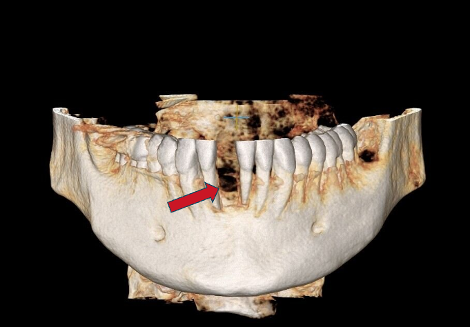
There Are Three Types of Dental Bone Grafts
Autograft
An autograft uses bone taken from another part of your own body, often the chin or a different area of the jaw. Because the tissue comes from you, it offers excellent compatibility and a high success rate. This type of graft supports strong, natural bone growth and is often considered the gold standard for certain procedures.
Allograft
An allograft uses bone sourced from a human donor that has been thoroughly processed and sterilized to ensure complete safety. This option eliminates the need for a second surgical site, making the procedure less invasive for you. Allografts are commonly used and provide reliable support for regenerating lost bone.
Xenograft
A xenograft uses bone derived from animal sources, most commonly cows, that is carefully purified and sterilized for safe use in humans. This type of graft helps maintain space and structure while your natural bone gradually grows and replaces it over time. Xenografts are widely trusted for their stability and effectiveness in building strong bone foundations.
What to Expect from the Bone Grafting Procedure
Preparation
Before the procedure begins, local anesthesia or sedation is administered to keep you completely comfortable and relaxed. Your dentist will carefully review the treatment plan with you so you know exactly what to expect. This step ensures a smooth experience and sets the foundation for successful grafting.
Graft Placement
Once you’re numb, the dentist places the chosen graft material into the area where bone support is lacking. This material may come from your own body, a donor source, or a biocompatible synthetic option. The graft is positioned securely to encourage new bone growth and create the structure needed for future dental restorations.
Healing
Over the next several months, your body naturally integrates the graft material, forming strong new bone. During this time, regular check-ins help monitor your progress and ensure proper healing. Once fully integrated, the graft provides a stable, healthy foundation for implants or other restorative treatments.

The Benefits of Bone Grafting
- Foundation for Implants: Provides the necessary support for dental implants.
- Restores Facial Structure: Helps improve facial contours and symmetry.
- Prevents Further Bone Loss: Encourages new bone growth and stability.
Bone Grafting in Arcadia FAQs
Bone grafting helps rebuild bone lost due to gum disease or tooth loss. This procedure is often performed before dental implants or alongside treatments like sinus grafting and periodontal therapy to restore the foundation of your smile.
What is bone grafting?
Bone grafting is a procedure used to rebuild or strengthen jawbone tissue.
Why would I need bone grafting?
Bone grafting is often recommended before dental implant placement.
Is bone grafting painful?
The procedure is performed with anesthesia and most patients report minimal discomfort.
How long does bone graft healing take?
Healing may take several months depending on the size of the graft.
Is bone grafting safe?
Bone grafting is a common and predictable dental procedure.
Can bone grafting restore lost bone?
Yes, bone grafting can regenerate bone structure and support future dental treatments.
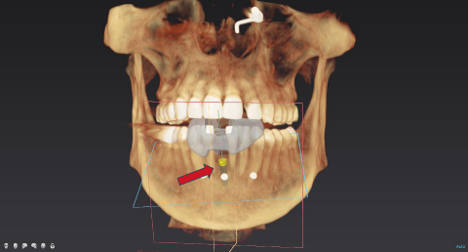
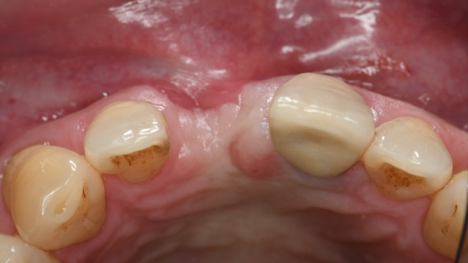
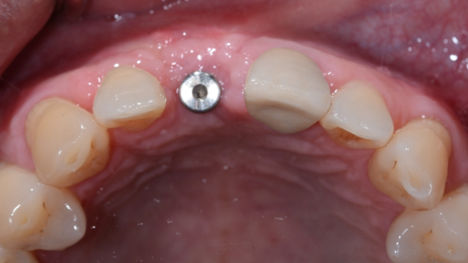
Bone Grafting: Before & After
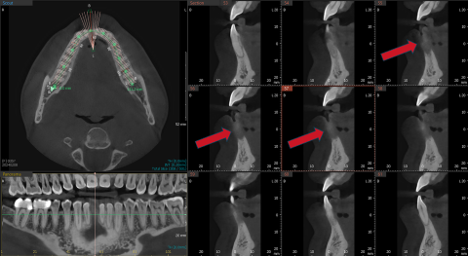
Before
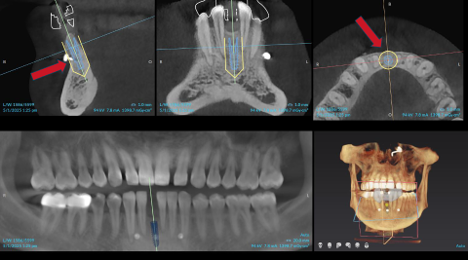
After
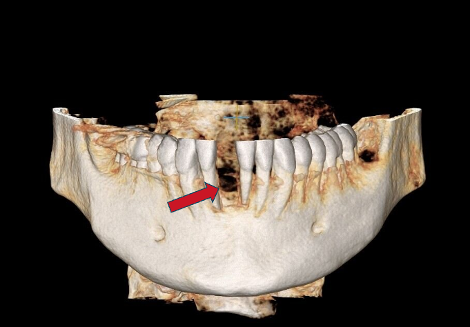
Before (alternate)
After (alternate)
Before
After
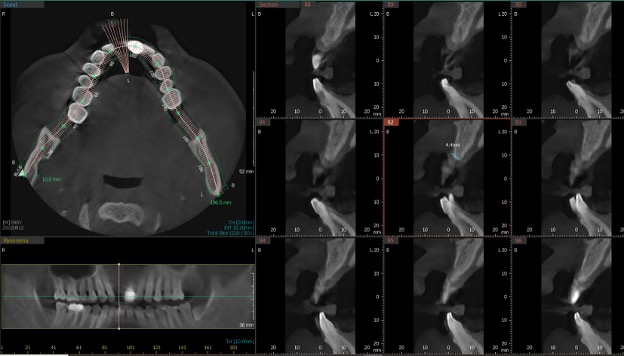
Before (CBCT)
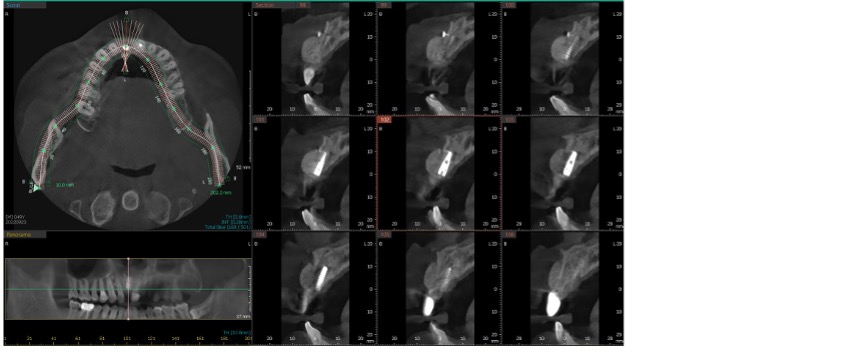
After (CBCT)
